

Accessing affordable legal help feels impossible when you are incarcerated, but preparing for a consultation begins with gathering the right information. Many Americans behind bars struggle to get the guidance they need simply because they lack complete case documents or do not know which details matter most. This guide breaks down every step, from collecting facts to finding and connecting with legal aid organizations dedicated to supporting those who cannot afford a lawyer.
Table of Contents
- Step 1: Gather Essential Case Information And Documents
- Step 2: Identify Suitable Legal Consultation Services
- Step 3: Complete And Submit The Consultation Request Form
- Step 4: Verify Confirmation And Prepare For The Session
- Step 5: Review Feedback And Next Steps After Consultation
Quick Summary
| Key Point | Explanation |
|---|---|
| 1. Gather All Case Information | Collect key facts, court documents, and background details to prepare for an effective consultation with your legal advisor. |
| 2. Choose the Right Legal Services | Research local legal aid organizations that specialize in your case type to find affordable assistance tailored to your needs. |
| 3. Complete the Consultation Request Form | Fill out the form accurately, detailing your case information to help the organization determine how they can assist you. |
| 4. Prepare for Your Consultation | Organize your documents and list your questions beforehand to maximize the effectiveness of your consultation session. |
| 5. Review Feedback and Plan Next Steps | Carefully analyze the consultant’s feedback, understanding their recommendations to create a clear plan for your legal actions. |
Step 1: Gather essential case information and documents
Before you contact a legal consultant, you need to know what you actually have and what you’re working with. Think of this as taking inventory of your case. You’ll be collecting the key facts, court documents, and background information that tell your complete legal story. This step determines whether your consultation will be productive and focused.
Start by writing down the basic facts of your situation in plain language. What happened? When did it happen? Who was involved? You don’t need to worry about legal language or making it sound perfect. Just capture what occurred. Include dates, names, locations, and any relevant actions taken by you or others. This logical organization of facts forms the foundation for any legal discussion.
Next, gather all the documents related to your case. This includes court filings, court orders, judgment documents, conviction paperwork, sentences, appeal denials, correspondence with courts, police reports, witness statements, and anything else the court has issued about your case. If you have emails, letters, or written communications related to your legal matter, include those too. You don’t need them perfectly organized yet, just in one place.
Identify the key issues in your case. What do you need resolved? Are you appealing a conviction, challenging a sentence, filing a civil rights claim, or seeking relief based on new evidence? Understanding which elements matter most within your case helps your consultant focus on what actually impacts your situation.
Create a simple list or document noting which papers you have and which ones you might be missing. If you had a trial, do you have the trial transcript? If you’ve filed appeals, do you have the appellate decisions? Be honest about gaps. Your consultant can help you figure out what else you need.
Pro tip Request a complete copy of your case file from the court clerk’s office or your facility law library, then organize everything chronologically so your consultant can quickly understand the sequence of events.
Step 2: Identify suitable legal consultation services
Not all legal services are created equal, especially when you’re incarcerated or working with limited resources. You need to find consultants who understand your specific situation and can actually help with case planning without breaking your budget. This step helps you narrow down your options to services that will genuinely serve your needs.
Start by understanding what resources exist in your area. Legal aid organizations across the United States are funded to help people who cannot afford traditional lawyers. You can search these databases by your location or city to find nonprofit legal aid providers near you. Many of these organizations offer free or low-cost consultations, which is exactly what you need for planning your case without spending money you don’t have.
Look for services that specifically mention case planning or consultation services. Some organizations focus on certain types of cases like appeals, civil rights claims, or habeas corpus petitions. Others handle general legal matters. The key is finding someone who has experience with your type of case. When you contact them, be clear about what you need. Do you need help understanding your conviction? Are you planning an appeal? Do you need guidance on a specific legal claim?
Consider whether you need in-person consultation or whether phone and mail-based services work for your situation. Some legal aid organizations offer legal assistance hotlines and referral services that can be accessed from anywhere. If you’re incarcerated, phone consultation might be your most practical option since in-person visits may be restricted at your facility.
Check whether the service offers document preparation help alongside consultation. Some organizations can walk you through your legal issues and then help you prepare the actual documents you need to file. This combination is valuable because you get both guidance and practical assistance. Ask about their fees upfront. Many legal services are free for low-income individuals, but some charge sliding scale fees based on what you can afford.
Here’s a summary of potential legal consultation service formats and their practical benefits:
| Consultation Format | Accessibility | Typical Uses | Key Benefits |
|---|---|---|---|
| In-Person | Usually limited for inmates | Complex or sensitive matters | Direct communication, clarity |
| Phone | Widely available, especially in prisons | Fast triage, urgent questions | Convenience, immediate feedback |
| Mail/Email | Accessible across most facilities | Document review, detailed guidance | Written record, time to reflect |
| Online/Video | Depends on tech access | Cases needing visual review | Interactive, shares documents live |
Pro tip Contact multiple legal services and ask specific questions about their experience with your case type before committing, then choose the one that seems most knowledgeable about your particular legal issue.
Step 3: Complete and submit the consultation request form
Once you’ve chosen a legal aid organization, you need to fill out their consultation request form. This form is how the organization learns about your case and determines whether they can help you. It’s straightforward, but accuracy matters because the information you provide shapes the entire consultation.

Start by gathering the form itself. Most legal aid organizations make their consultation request forms available online or by phone. You can download it from their website, request it by mail, or sometimes fill it out during an initial phone call. Ask the organization which method works best for their process. Some organizations prefer online submissions because they’re faster, while others are fine with mailed forms.
Read through the entire form before you start writing. You want to understand what information they’re asking for and why. Most forms ask for your basic personal information like name, address, identification number if incarcerated, phone number, and email if you have access to one. They’ll ask about your case type, the charges or issues involved, and any court documents you have. Write your answers clearly in your own words. The staff reviewing your form needs to understand your situation quickly.
Be honest and complete when describing your legal issue. Don’t minimize your problem or leave out important details. If you’re appealing a conviction, explain why you believe the conviction was wrong. If you’re filing a civil rights claim, describe what happened and who was involved. The more specific you are, the better the consultant can assess whether your case is something they can help with.
Once you’ve completed the form, submit it using the method the organization prefers. If submitting by mail, keep a copy for your records. Include a cover letter with your contact information and a brief note requesting a consultation. If you’re submitting online, you’ll often get a confirmation email. Write down any reference number they provide.
Pro tip Complete your form during a time when you can focus without rushing, review it once more for accuracy, and submit it along with copies of any important court documents like your conviction order or sentence to speed up the consultant’s review process.
Step 4: Verify confirmation and prepare for the session
After you submit your consultation request form, the legal aid organization will contact you to confirm your appointment. You need to watch for this confirmation and then prepare yourself thoroughly so the consultation actually accomplishes something. This step ensures you don’t miss your session and that you make the most of your time with the consultant.
Watch for confirmation messages from the organization. They typically contact you via email or phone, depending on what you provided on your form. If you’re incarcerated, they might call the facility’s legal department or send mail to your housing unit. Keep any confirmation details they send you. Write down the date, time, and method of consultation, whether it’s by phone, video, or mail. Ask for clarification if anything is unclear about how the consultation will happen.
Organize all your case documents and materials before your session begins. Gather your trial transcript if you have one, court orders, sentencing documents, any previous appeal decisions, and letters related to your case. Arrange these chronologically so you can reference them easily during the consultation. Organizing facts and legal issues beforehand helps you communicate more effectively and shows the consultant you’re serious about your case.
Write down your main questions and concerns before the consultation. What specific issues do you want to discuss? What outcome are you hoping for? What has confused you about your case or the legal process? Having these written out keeps you focused and ensures you don’t forget important points during the conversation. This preparation also helps the consultant understand your priorities right away.
Review the basic facts of your case one more time. Be ready to explain what happened, the charges you faced, and what happened during your trial or sentencing. Think about how your case connects to your legal goals. If you’re planning an appeal, understand why you believe the conviction was incorrect. Preparing thoroughly for legal discussions shows respect for the consultant’s time and increases the chance they can actually help you.
Pro tip Create a simple one-page summary of your case with dates, key events, and your main legal question, then have this ready to reference or hand to the consultant so they immediately understand what you need.
Step 5: Review feedback and next steps after consultation
Once your consultation ends, you’ll receive feedback from the legal consultant about your case. This isn’t just information to file away. You need to carefully review what they told you, understand the reasoning behind their advice, and figure out what actions make sense for your situation. This step transforms consultation feedback into a real plan moving forward.
Read through any written materials the consultant provided. Many consultants send follow-up memos, briefs, or summaries explaining their analysis of your case. These documents typically outline the legal issues they identified, how applicable laws apply to your facts, and what options they recommend. Take your time with this material. Read it multiple times if needed. Legal writing can be dense, so don’t worry if you need to go through it slowly.
Understand the legal reasoning behind their recommendations. Legal analysis involves identifying issues, applying relevant laws, and examining how those laws connect to your facts. Ask yourself why the consultant believes a particular path makes sense for your case. What legal rules support their position? How do those rules apply to what happened to you? Understanding the reasoning helps you make informed decisions about whether you want to proceed with their suggestions.
Identify the specific next steps they recommend. Should you file an appeal? Gather more evidence? Pursue a particular legal claim? Their feedback typically includes concrete actions you can take. Write these down clearly. Some recommendations might require immediate action, while others might be optional depending on deadlines or your priorities. Distinguish between steps that are essential and steps that are alternatives.
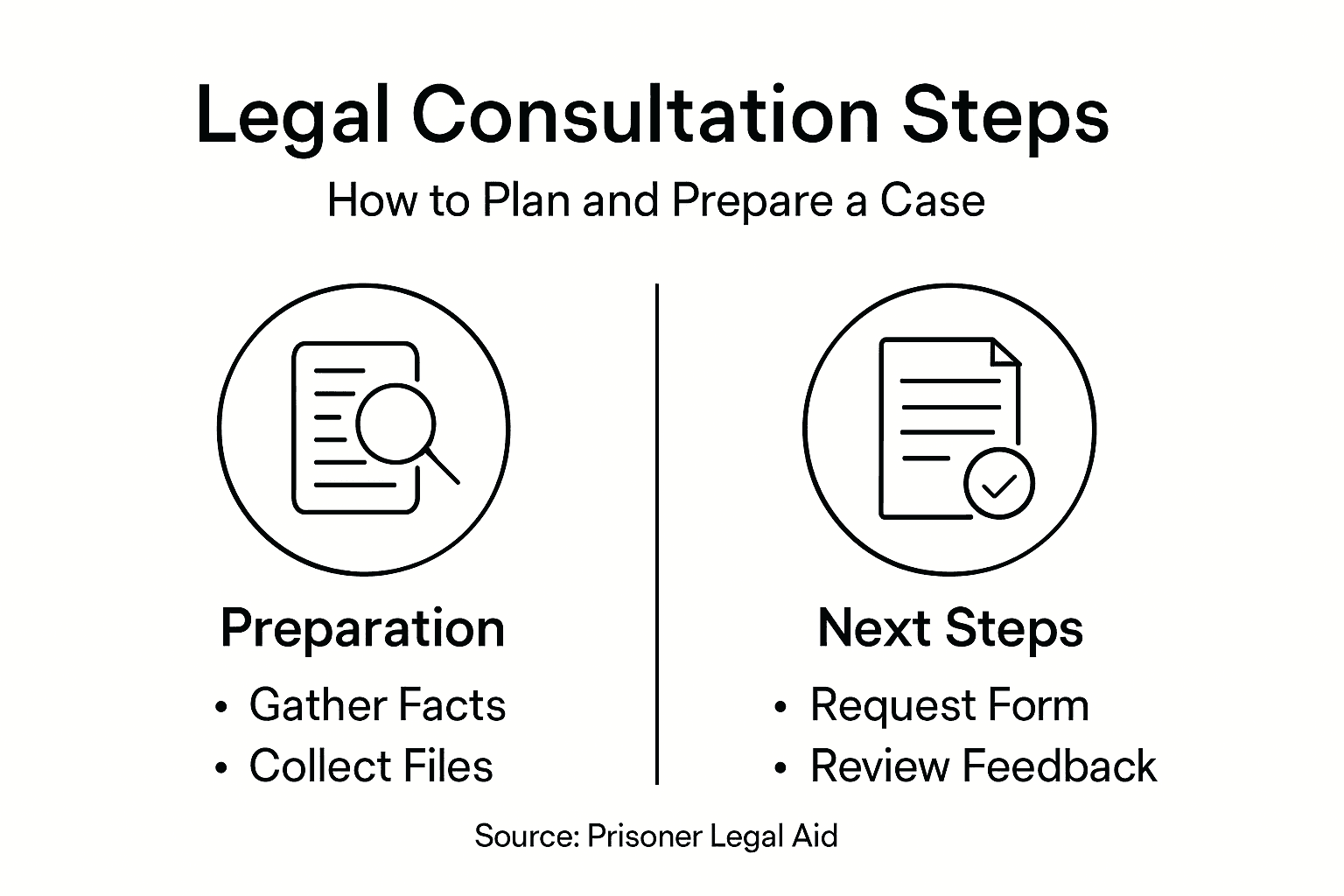
Consider whether you need additional help. Following legal consultation, feedback often includes suggested strategies and recommended actions that inform decisions about litigation or other legal remedies. If the consultant recommended document preparation services, you might want to use professional help to ensure your filings are done correctly. Think about whether you have the resources and support needed to move forward.
Review this quick reference on turning consultation feedback into action:
| Feedback Type | Typical Content | Your Next Step |
|---|---|---|
| Written Analysis | Summary of legal issues | Read carefully, highlight advice |
| Action Checklist | List of recommended actions | Make a plan, note deadlines |
| Legal Reasoning | Laws applied to your facts | Ask clarifying questions if unsure |
| Further Resources | Referral to extra help | Follow up with new contacts |
Pro tip Keep all consultation materials organized in one place, highlight key recommendations and deadlines, and create a simple action list with dates so you can track progress on each next step without losing focus.
Get Expert Help With Legal Consultation and Case Planning Today
Understanding how to gather your case facts, identify suitable legal services, and prepare for consultation can be overwhelming when facing complex legal challenges. You might feel frustrated trying to navigate the process alone or unsure if your documents meet court requirements. This article highlights key steps like organizing your trial transcripts and submitting accurate consultation requests that can make or break your legal planning efforts.
Take control of your case with professional support from Prisoner Legal Aid. Our platform specializes in helping incarcerated and self-represented individuals draft, format, and submit critical legal documents such as habeas corpus petitions and appellate briefs. We focus on confidentiality, affordability, and quick turnaround times so you can confidently meet court deadlines. Visit Prisoner Legal Aid now to access detailed service descriptions and start your streamlined document preparation process. Don’t wait until time runs out—let us help you turn your consultation insights into actionable steps with precision and ease.
Frequently Asked Questions
How can I gather the essential documents needed for my legal consultation?
Collect all relevant case documents including court filings, sentencing orders, and witness statements. Organize these materials chronologically to provide a clear timeline of events for your consultant.
What should I include in my consultation request form?
Your consultation request form should include your personal information, details about your case, and any pertinent documents you have. Be specific about your legal issues to ensure the consultant understands your situation quickly.
How do I choose the right legal consultation service for my needs?
Research legal aid organizations that specialize in case planning and appeals relevant to your situation. Look for services that offer free or low-cost consultations, and ensure they have experience with the type of case you are dealing with.
What steps should I take to prepare for my legal consultation?
Prioritize your time by organizing case documents and preparing a list of questions you have. This preparation will help you communicate effectively and maximize your time with the consultant.
How will I receive feedback after my legal consultation?
You will typically receive written feedback or a summary from the consultant following the session. Review this feedback carefully to understand the recommendations and necessary next steps for your case plan.
What should I do if I need further assistance after my consultation?
If you need additional help, consider following up with the consultant for further services or referrals. Develop an action plan based on the feedback received to effectively address your legal situation.